If you've ever admired hair that looks like it's been kissed by the Mediterranean sun — streaks that flow naturally from root to tip, never blocky, never harsh — you've been admiring balayage. And more specifically, the European approach that's been refined over decades in the finest Parisian salons.
What Makes European Balayage Different?
The word balayage comes from the French verb balayer, meaning "to sweep" or "to paint." Unlike traditional foil highlights that apply color in uniform sections from root to tip, European balayage is freehand. The colorist uses a brush — or even gloved fingers — to sweep lightener directly onto sections of hair, mimicking the way sunlight would naturally brighten the outermost strands.
The key difference lies in the placement and graduation. True European balayage starts mid-shaft and concentrates the most lightener at the ends, creating a seamless melt from your natural root color into the brightest tips. There's no harsh line of demarcation. No obvious regrowth. Just continuous, living color.
The Three Pillars of the Technique
1. Saturation Control
In European balayage, the colorist controls exactly how much product is applied at each point along the strand. The root area receives the least — often none at all — while the mid-lengths receive medium saturation and the tips receive the most. This gradient of application is what produces that effortlessly grown-out look.
2. Meche vs. Board
Traditional American highlighting uses foil to isolate sections and generate heat, which processes color faster but more uniformly. European balayage typically uses a cotton coil or simply leaves the painted section open to air — what the French call "en plein air" processing. This slower, cooler process allows the colorist greater control over lift and results in softer blending at the edges of each piece.
"The goal is never the highlight itself — it's the shadow between them. That contrast is what makes the hair come alive." — Isabelle Fontaine, Master Colorist
3. Sectioning Strategy
Where the colorist chooses to place each painted section is arguably the most artistic aspect of the technique. At VegasGlamHair, our stylists are trained to analyze your face shape, bone structure, and natural hair parting to determine exactly which sections will catch the most light when you move. The result is dimension that looks unique to you — not a template applied to everyone.
Who Is It Best For?
European balayage genuinely works on almost every hair type and color, but it is particularly transformative for:
Brunettes aged 30–50 who want warmth and dimension without committing to a full color overhaul. The technique blends beautifully with natural grays, making regrowth a non-issue. Natural blondes who want to deepen their base while brightening the ends for a more sophisticated, dimensional look. Dark hair — when executed with the right lightener strength and toning, balayage on dark brown or black hair can produce stunning caramel, copper, or even platinum effects.
Pro Tip: Ask your stylist for a "lived-in balayage" if you want to go 12–16 weeks between appointments. The technique is specifically designed with low maintenance in mind — the grow-out should look intentional, not neglected.
How to Maintain Your Balayage at Home
One of balayage's biggest appeals is its low maintenance — but "low" doesn't mean "none." Here's what our stylists recommend to keep your color looking fresh between appointments:
Use a purple or blue toning shampoo once a week. Lightened hair naturally pulls warm (yellow/orange) over time, especially with heat and sun exposure. A toning shampoo counteracts this brassiness and keeps your blonde or caramel pieces cool and clean.
Invest in a bond-protecting treatment. After any lightening service, the hair's disulfide bonds are temporarily broken. Products like Olaplex No. 3 or Kérastase Résistance help reconstruct those bonds at home, reducing breakage and maintaining elasticity.
Avoid washing with hot water. Heat opens the hair cuticle and causes color pigment to escape faster. Rinse with cool or lukewarm water to seal the cuticle and preserve your tone.
When to Book a Refresh
Because balayage doesn't touch the root, most clients can comfortably go 10–16 weeks between appointments. At your refresh visit, your stylist will assess how the color has grown out and either re-paint the same sections with fresh lightener, or adjust the placement slightly to account for any changes in your natural color or hair density.
A gloss or toner service can often be done more frequently — every 6–8 weeks — to refresh the tone without fully re-lighting the hair. This is a great (and more affordable) way to keep your balayage looking vibrant year-round.
"The best balayage is the one you forget about — because it just looks like your hair, only better."
Ready to Experience It?
Our European-trained colorists at VegasGlamHair have performed thousands of balayage services and are obsessed with getting the placement exactly right for your individual features. Whether you're new to color or looking to refresh an existing balayage, we'd love to create something beautiful for you.
Ready to Book?
Experience It for Yourself
Our European-trained stylists are ready to create your perfect look. Book a consultation today.
Book a Consultation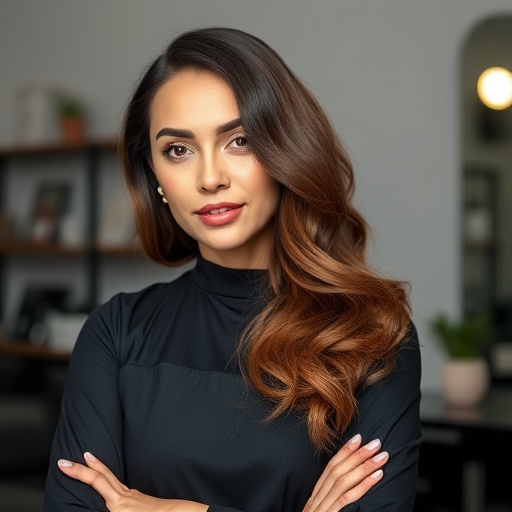
Isabelle Fontaine
Master Colorist & European Technique Specialist